Table of Contents
How does recycling help the banking industry economically? Banks, credit unions, investment funds and trade unions all run on data that data lives on physical hardware. When servers, hard drives, and network gear reach end of life, how you retire them directly affects your bottom line. Done poorly, e-waste becomes a source of regulatory exposure, data theft, and avoidable cost. Done right, recycling protects sensitive financial data while recovering value and reducing risk.
So how does recycling help the banking industry economically? It cuts the cost of data breaches, supports regulatory compliance, and turns retired IT assets into recovered value instead of liability. This article breaks down the financial case for secure e-waste recycling and explains how AIT helps financial institutions retire hardware the right way.
Here’s what you’ll take away:
- Why nationwide, secure logistics matter for large institutions
- The real economic cost of mishandled e-waste in banking
- How proper recycling reduces breach risk and compliance penalties
The Hidden Economic Risk of Mishandled E-Waste
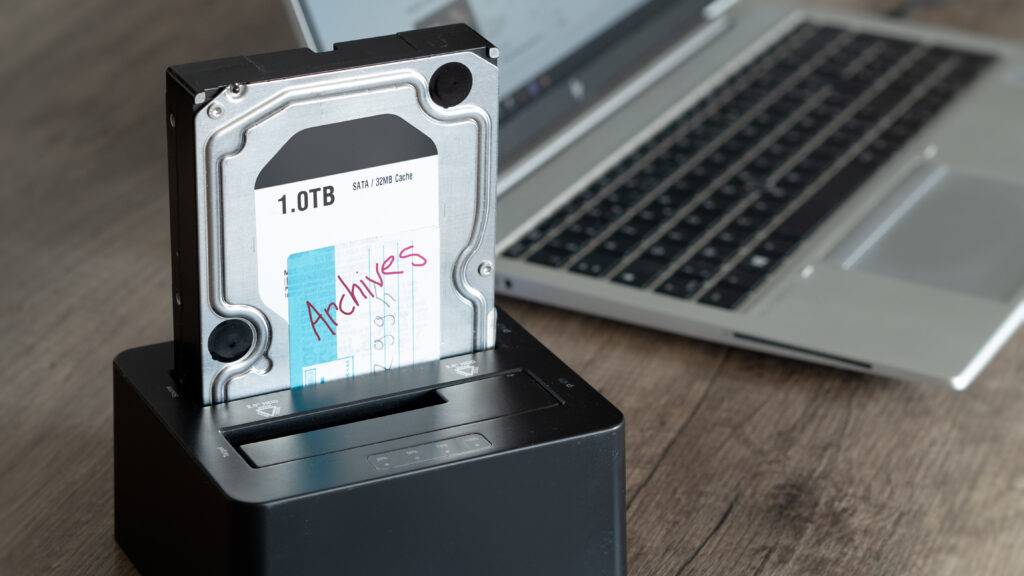
Regular waste systems don’t distinguish between a decommissioned hard drive and a banana peel; both end up in a landfill with improper handling. The difference is that electronics leak toxic material over time and create an open door to stolen data.
In 2019 alone, the world generated 53.6 million metric tons of e-waste. Every discarded device that once held account records, transaction logs, or customer information is a potential liability if it isn’t properly destroyed.
The financial stakes are clear: according to the 2020 Cost of a Data Breach Report, 10% of malicious breaches were caused by a physical security compromise, with an average cost of $4.36 million per incident. For a financial institution, that means regulatory scrutiny, lost customer trust, and long-term reputational damage.
In short, improper e-waste handling is a direct line item on your risk ledger.
How Recycling Helps the Banking Industry Economically

Secure e-waste recycling delivers measurable financial benefits beyond simple disposal. For banks, credit unions, investment funds or trade unions managing strict data security protocols, the economics break down into three areas.
1. Reduced Breach and Compliance Costs
Certified data destruction removes the single most expensive risk tied to retired hardware: a physical security breach. By guaranteeing every data-bearing device is permanently destroyed, you eliminate the $4.36 million exposure before it can happen. That’s avoided cost that goes straight back to your operating budget.
2. Recovered Asset Value
Retired IT equipment still holds value. A structured ITAD program recovers usable components and materials instead of writing them off as waste. For institutions cycling through large volumes of hardware, that recovered value adds up across every refresh cycle.
3. Lower Operational and Regulatory Overhead
A documented, audit-ready process reduces the staff hours and legal exposure tied to disposal. Instead of managing compliance device by device, you work from one consistent plan that satisfies industry standards across every location.
Overall, recycling converts an unavoidable cost center into a source of savings, recovered value, and risk reduction.
Why Nationwide, Secure Logistics Matter for Banks
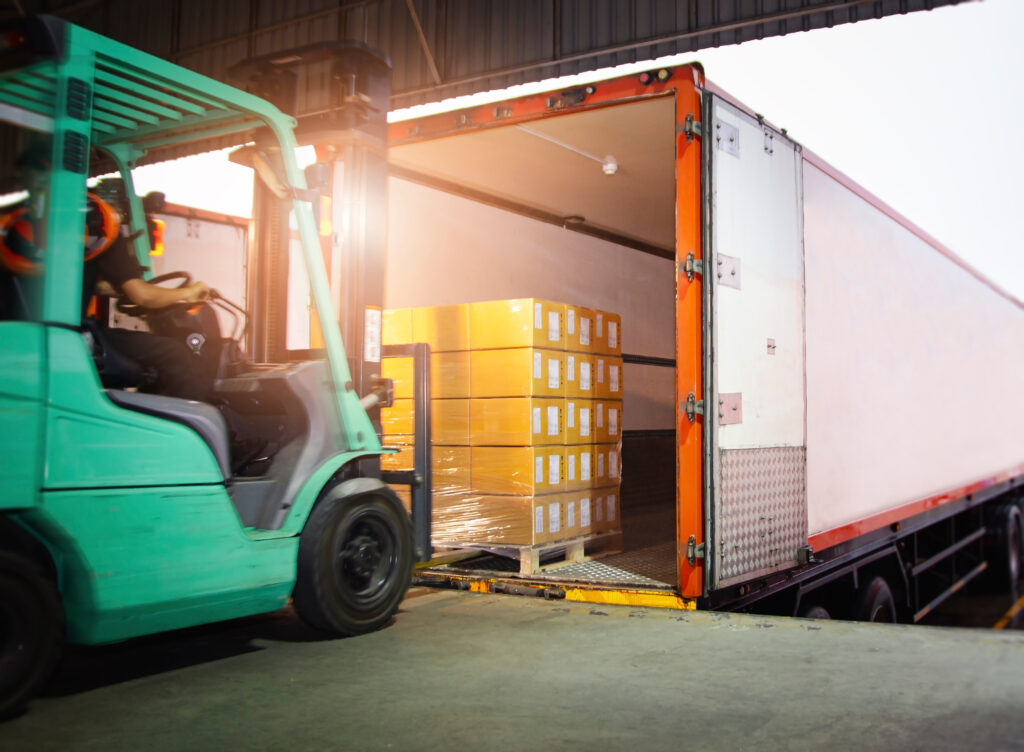
Financial institutions rarely operate from a single site. Branches, regional offices, and data centers each generate end-of-life electronics, and each one is a potential weak point.
When choosing an e-waste recycling partner, prioritize:
- Certified data destruction methods tailored to your institutional standards
- Chain-of-custody control so every device is accounted for from pickup to destruction
- Nationwide coverage to manage every physical location under one plan
- Audit-ready documentation to prove compliance on demand
That’s exactly where AIT delivers: our full suite of logistics services ensure every piece of equipment is carefully tracked and handled according to a customized plan built for your team.
The AIT and FordAV Partnership

AIT Electronics Recycling has partnered with FordAV to disrupt the cycle of open security threats on a nationwide scale. This partnership sets the gold standard for what e-waste recycling should be for a financial institution operating across multiple locations.
You get tailored data destruction, dependable nationwide logistics, and full accountability for every asset. We make the entire process simple, so your team can focus on operations instead of disposal headaches.
How Does Recycling Help the Banking Industry Economically? The Bottom-Line

The economic case is straightforward. Proper recycling reduces breach risk, recovers asset value, and keeps your institution compliant, while protecting the sensitive data your business depends on. Mishandled e-waste, by contrast, invites the exact costs every bank works to avoid.
Ready to protect your data and your bottom line? Contact AIT today to start recycling your e-waste securely and sustainably.