
Table of Contents
Retired hard drives, decommissioned servers, and aging backup media all carry sensitive data long after they leave active service. This guide breaks down four of the some of the most important data protection standards. Each section explains what the standard covers and the key requirements you need to meet, so you can build a disposal process that holds up under scrutiny.
Why Data Protection Standards Matter
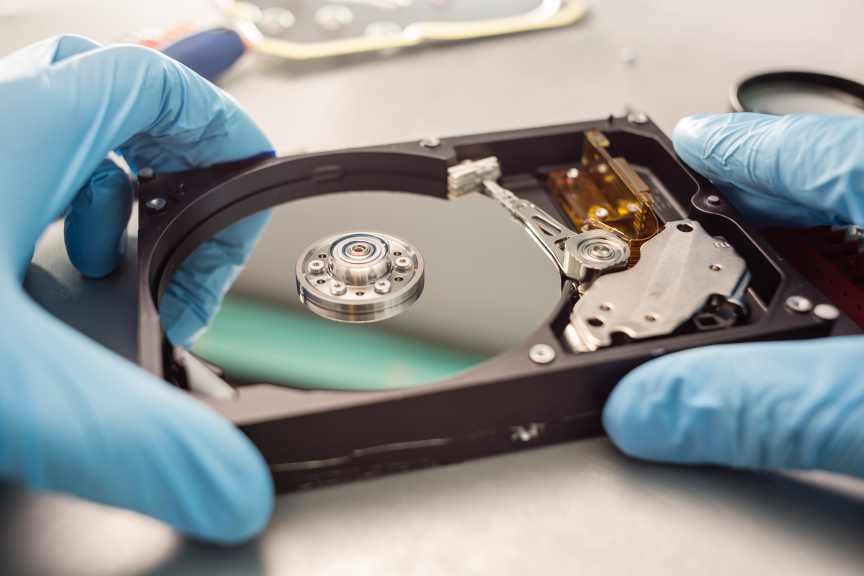
Data protection standards give you a defined, defensible process for removing sensitive information from storage media. Without them, you risk recoverable data, inconsistent results, and gaps that auditors and regulators will flag. With them, you gain a repeatable method that protects your organization and proves compliance.
These standards matter for several concrete reasons:
- Regulatory compliance: Many laws require documented, verifiable destruction of personal and confidential data.
- Breach prevention: Properly sanitized media cannot be mined for recoverable information.
- Audit readiness: Certificates of destruction and detailed logs provide evidence when regulators ask.
- Reputation protection: Demonstrating secure disposal reassures clients and partners that their data is safe.
- Operational consistency: A standard process removes guesswork and reduces human error during decommissioning.
NIST Data Protection Standards: Ensuring Secure Media Sanitization
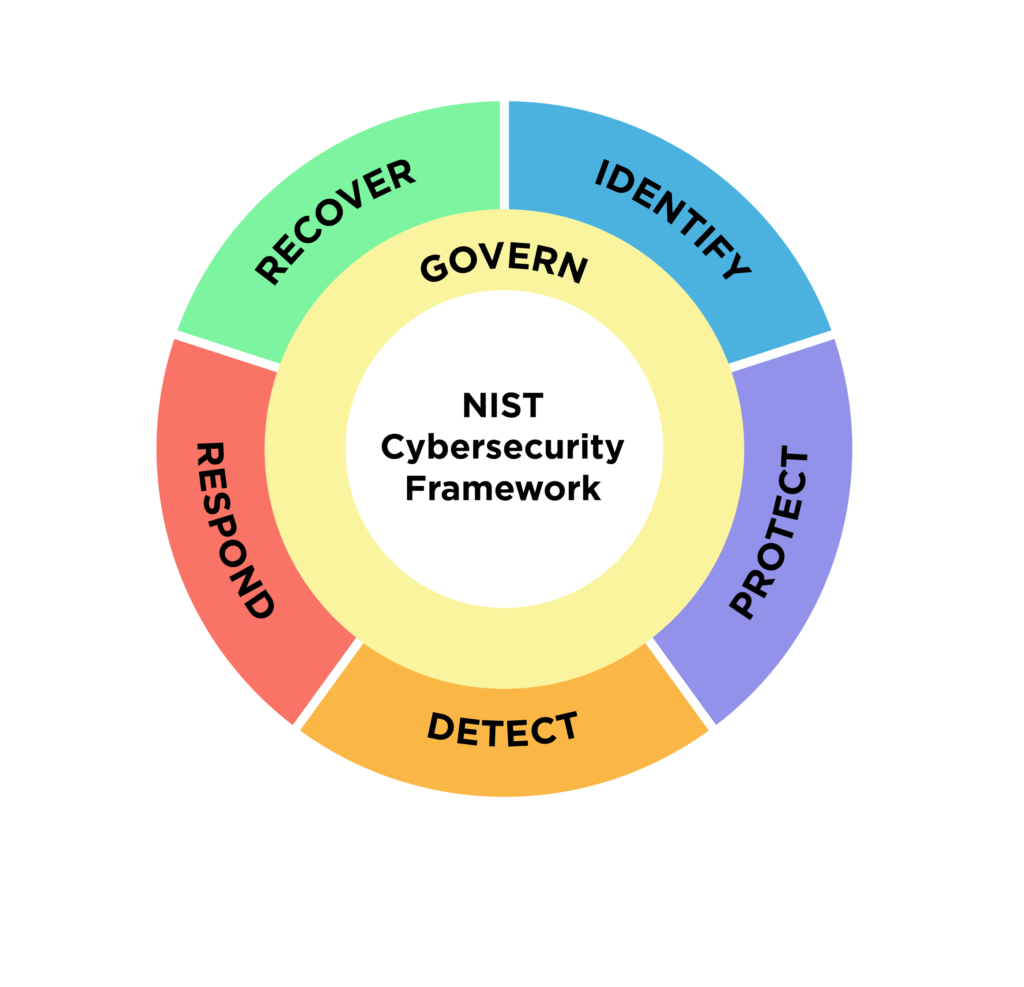
NIST Special Publication 800-88 is widely regarded as the gold standard for media sanitization in North America. It provides clear, technical guidance on how to remove data from storage media based on the device type and the sensitivity of the information. Many other regulations point to NIST 800-88 as the practical method for meeting their destruction requirements.
NIST 800-88 defines three sanitization methods you should know:
- Clear: Overwrites data using standard read/write commands, suitable for media that will be reused internally.
- Purge: Applies stronger techniques like cryptographic erase or block erase, making recovery infeasible even with advanced tools.
- Destroy: Physically shreds, disintegrates, or incinerates media so it can never be reused.
Organizations should select a method based on data sensitivity and compliance needs. Key takeaways for applying NIST 800-88:
- Match the sanitization method to the confidentiality level of the data.
- Verify every sanitization action to confirm the data is truly unrecoverable.
- Document each step and retain a certificate of destruction for your records.
GDPR: Protecting Personal Data Across the EU
The General Data Protection Regulation (GDPR) governs how organizations handle the personal data of individuals in the European Union. While GDPR does not prescribe a specific destruction method, it holds you accountable for ensuring personal data is permanently and securely erased once it is no longer needed. For any data center or company serving EU residents, compliant disposal is non-negotiable.
Key GDPR requirements for data destruction:
- Right to erasure: Individuals can request that their personal data be deleted, and you must comply within set timelines.
- Storage limitation: Data should not be kept longer than necessary for its original purpose.
- Demonstrable accountability: You must be able to prove that data was destroyed securely and on time.
- Significant penalties: Non-compliance can lead to fines of up to €20 million or 4% of global annual revenue, whichever is higher.
To stay compliant, pair a recognized sanitization method like NIST 800-88 with thorough documentation that proves the data is gone for good.
HIPAA: Safeguarding Protected Health Information
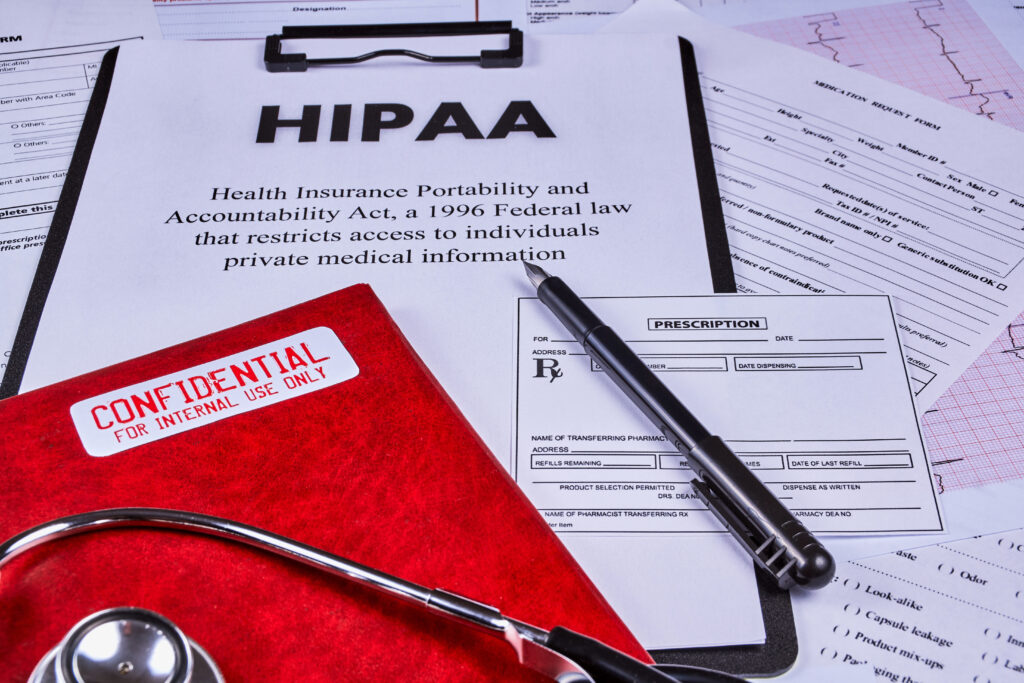
The Health Insurance Portability and Accountability Act (HIPAA) sets strict rules for protecting patient health information in the United States. If your data center or company stores or processes Protected Health Information (PHI), HIPAA requires that this data be rendered unreadable, indecipherable, and impossible to reconstruct when media reaches end of life.
Key HIPAA requirements for data destruction:
- Render PHI unrecoverable: Use clearing, purging, or physical destruction to ensure no PHI can be retrieved.
- Cover all media types: Apply destruction standards to hard drives, backup tapes, and any device that has held PHI.
- Maintain documentation: Keep records of when, how, and by whom data was destroyed.
- Enforce business associate agreements: Any third-party vendor handling PHI destruction must meet the same standards.
Failing to meet these rules can result in substantial financial penalties and mandatory breach reporting, so verified destruction and clear records are essential.
PIPEDA Data Protection Standards: Canada’s Standard for Personal Information
The Personal Information Protection and Electronic Documents Act (PIPEDA) governs how private-sector organizations in Canada collect, use, and dispose of personal information. Like GDPR, PIPEDA emphasizes accountability and requires that personal data be destroyed securely once it has served its purpose.
Key PIPEDA requirements for data destruction:
- Limit retention: Keep personal information only as long as needed to fulfill its stated purpose.
- Secure disposal: Destroy or anonymize data in a way that prevents unauthorized access or recovery.
- Accountability principle: Your organization remains responsible for personal data even when a third party handles destruction.
- Documented safeguards: Maintain records showing that appropriate disposal measures were applied.
Aligning your media disposal process with a recognized data destruction standard helps you satisfy PIPEDA’s secure disposal expectations and keeps your audit trail intact.
How to Build a Compliant Data Destruction Process
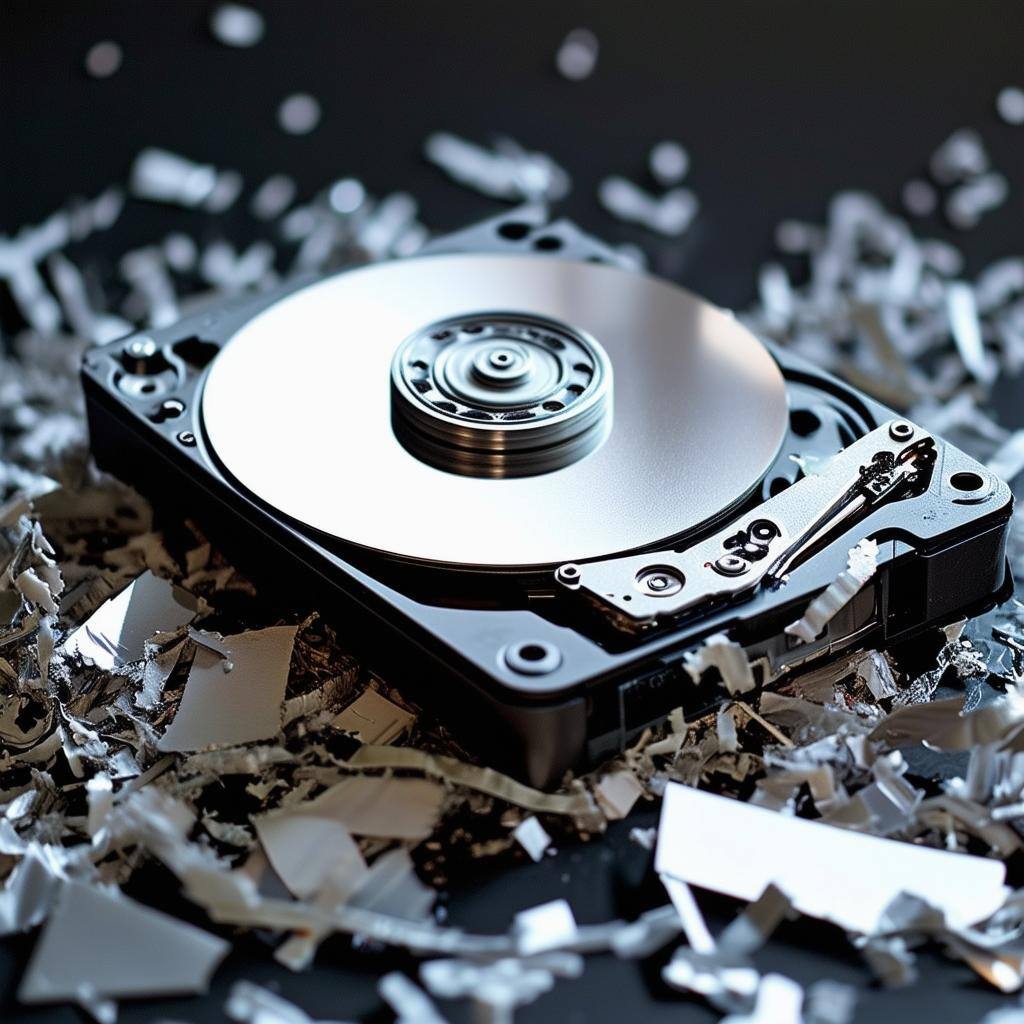
Meeting these standards becomes far simpler when you build a single, consistent process that satisfies all of them at once. Because GDPR, HIPAA, and PIPEDA each accept strong sanitization methods, a NIST-aligned approach with solid documentation can cover the majority of your obligations across regions.
Follow these steps to create a defensible destruction workflow:
- Inventory your media: Track every device that holds sensitive data from deployment to disposal.
- Classify by sensitivity: Match the destruction method to the confidentiality of the data on each device.
- Choose a verified method: Use NIST 800-88 clear, purge, or destroy techniques based on classification.
- Verify and validate: Confirm that data is unrecoverable after each sanitization action.
- Document everything: Issue certificates of destruction and keep detailed logs for audits.
- Vet your partners: Ensure any third-party disposal vendor is certified and contractually bound to the same standards.
How AIT Ensures Compliance

NIST, GDPR, HIPAA, and PIPEDA each approach data destruction from a different angle, but they share a common goal: ensuring sensitive information is permanently and verifiably removed. By grounding your process in a recognized sanitization standard and backing it with thorough documentation, you can meet these requirements with confidence.
For businesses, the payoff is clear: reduced risk, audit-ready records, and the assurance that retired media will never become a liability. Building a consistent, well-documented destruction process today protects your organization, your clients, and your reputation for the long term.