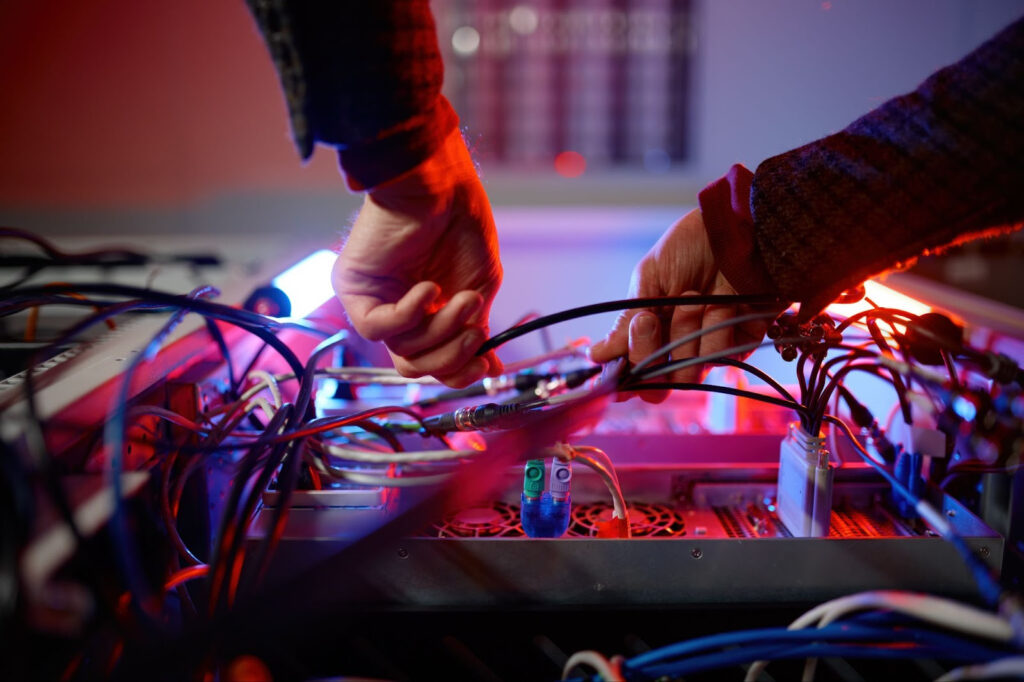
From fire hazards to data breaches, outdated electronics can pose serious risks to your business – but managing e-waste doesn’t have to be overwhelming. With the right approach, you can protect your team, your data, and your bottom line. Here’s everything you need to know about the hidden dangers of e-waste and how to handle them safely.
Old Batteries Are a Fire Hazard
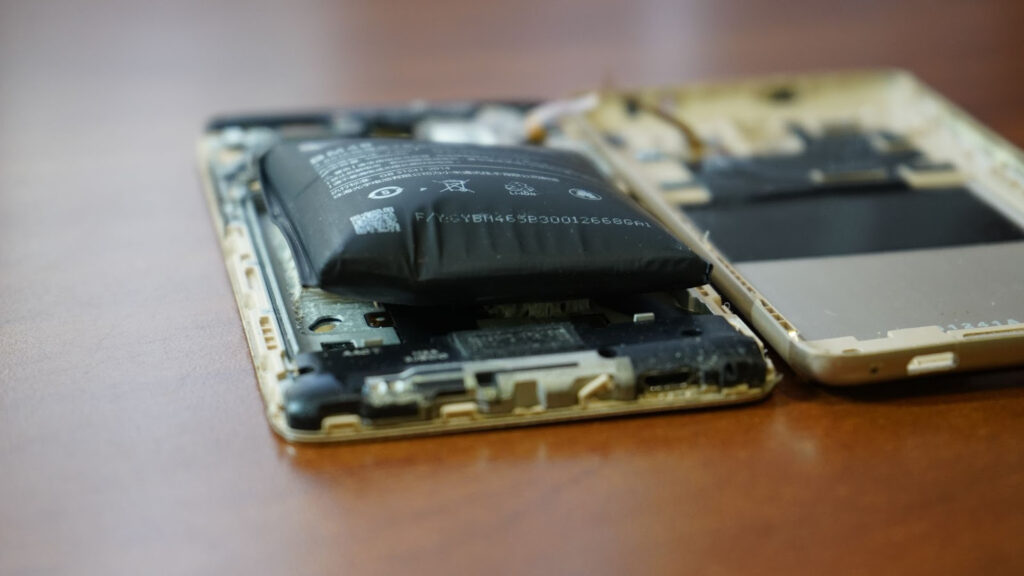
Lithium-ion batteries in old electronics can become a serious fire hazard over time. These batteries are prone to swelling, off-gassing, and even catching fire – a phenomenon known as the “spicy pillow” effect.
A single overheated battery in a cramped storage closet can ignite and within minutes, a fire can spread uncontrollably. Offices with unconditioned storage areas are especially vulnerable, and standard office fire extinguishers often can’t handle these types of fires.
🔥 Did You Know?
• Lithium-ion battery fires are nearly impossible to extinguish with standard fire extinguishers. (A Class D fire extinguisher will work!)
• Over 5,000 fires occur annually at facilities due to improper battery disposal.
• Fires caused by lithium-ion batteries can reach temperatures of up to 4,900°F (2,700°C).
How AIT Can Help:
- AIT will safely remove and transport the batteries, classified as hazardous materials, and recycle what is salvageable.
- Salvageable parts of lithium-ion batteries include cobalt, nickel, lithium copper, aluminum and graphite.
- Enjoy peace-of-mind knowing that you’ve eliminated lithium ion battery fire risks in your workspace.
Learn more about the dangers of e-waste in our comprehensive guide to e-waste recycling solutions.
Outdated Devices Can Lead to a Data Breach
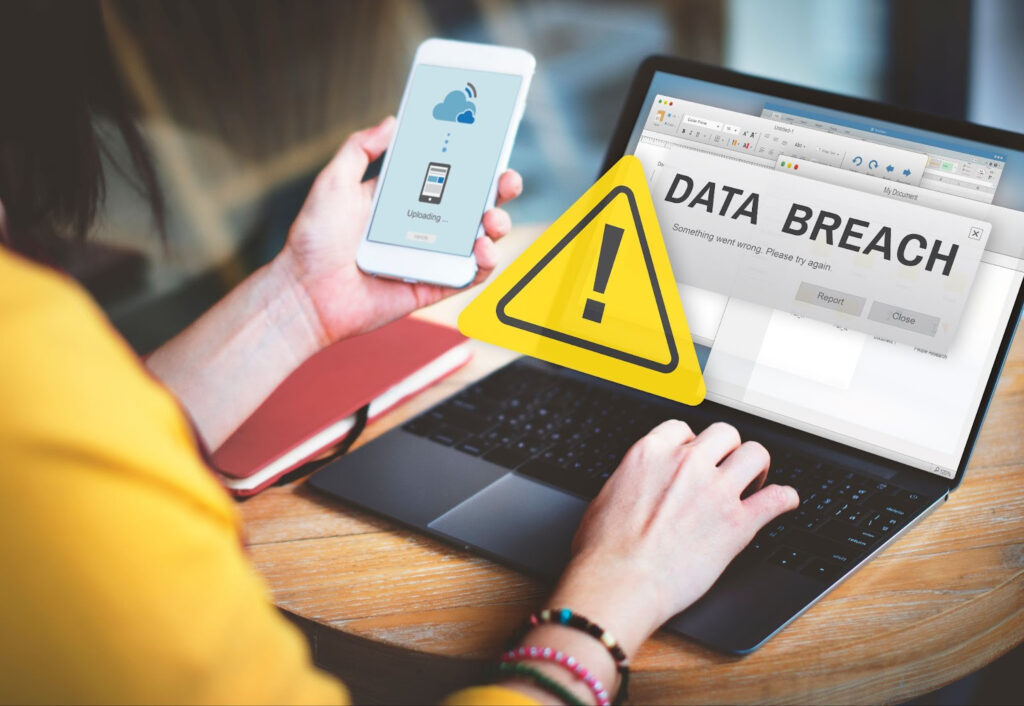
Old hard data storage devices such as hard drives, SSDs and flash drives often contain sensitive data long after they’ve been retired. Without certified destruction, these devices can easily go missing or end up in the wrong hands. This would lead to a fallout that would include regulatory fines, lawsuits, and a PR crisis that damages your business’s reputation.
🔒 In 2025, there were 3,322 reported data breaches in the U.S.
• Retired devices often contain sensitive data that can be exploited.
• A single data breach could lead to regulatory fines, lawsuits, and reputational damage.
• Certified data destruction ensures your business stays protected from data theft.
How AIT Can Help:
- AIT will securely wipe and destroy any and all old data storage devices & provide a certificate of destruction.
- Data storage devices include but are not limited to: hard drives, solid-state drives, USB flash drives, CDs, floppy discs and more.
- AIT’s certified data destruction services will protect your business from physical data theft by ensuring your devices are irreversibly destroyed.
For more details, check out “What Is Data Destruction?” or learn why SSDs require specific data destruction methods.
Moving Heavy Electronics is a Workplace Hazard

Heavy servers, CRT monitors, and other outdated electronics can be dangerous to move. Asking an employee to handle these items increases the risk of back injuries, crushed fingers, or worse.
⚠️ The Bottom Line on Workplace Safety
• Heavy servers and outdated electronic equipment can cause back injuries and other workplace accidents.
• Employees are at risk when handling heavy electronics.
• AIT’s professional packing, wrapping and palletization services will prevent potential injuries and claims.
How AIT Can Help:
- AIT’s full-service solutions will ensure that your e-waste is safely packed, wrapped and palletized for transportation and recycling at our facility.
Learn more about our full-service packing, wrapping and palletization solutions and how we can help keep your team safe.
Throwing E-Waste in the Trash Could Lead to Fines
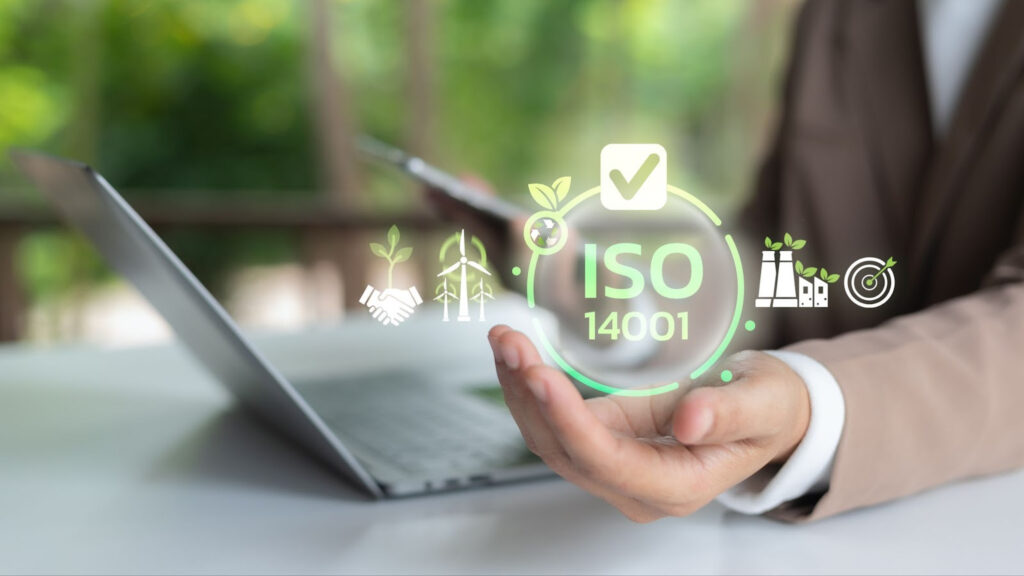
E-waste disposal is regulated by laws that vary by state and industry. Improper disposal can result in hefty fines, and many companies don’t realize they’re non-compliant until a surprise audit occurs.
⚖️ Compliance Matters
• Non-compliance with e-waste laws can result in fines of up to $25,000 per violation per day.
• Regulations vary by state and industry, so staying informed is critical.
• Partnering with AIT ensures you meet all legal e-waste handling and recycling requirements.
How AIT Can Help:
- AIT will recycle your e-waste in compliance with R2 Responsible Recycling and ISO 14001 recycling standards.
- Enjoy an audit-ready certificate of recycling, which serves as proof that you have recycled your electronics.
Learn more about how AIT can help you stay compliant .
Hoarding Electronics Can Harm Your Team’s Health
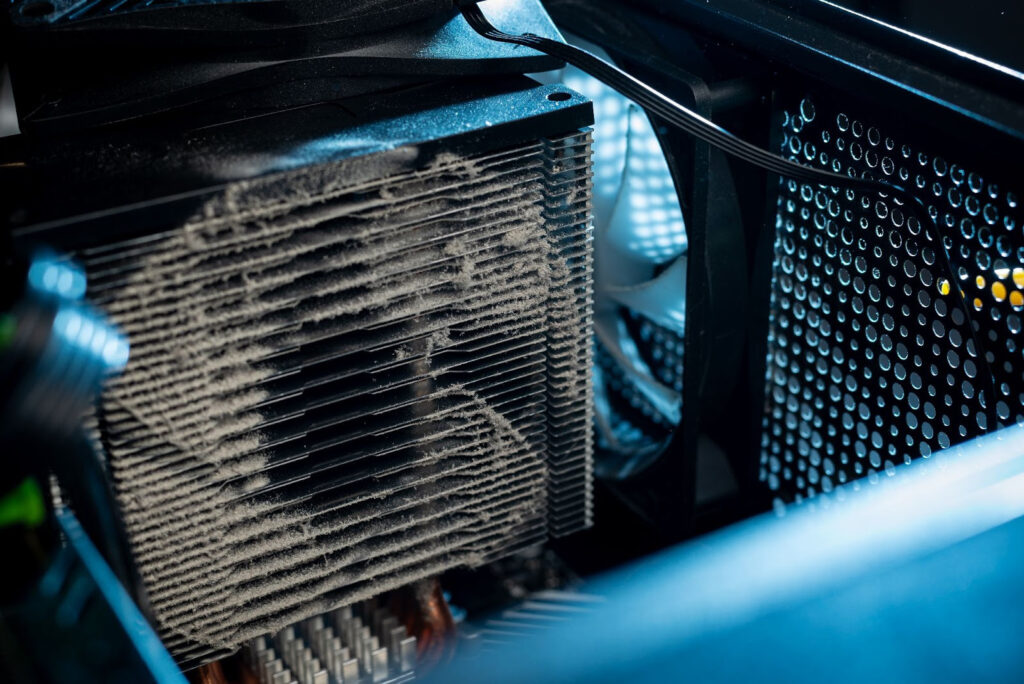
Dust and debris from old electronics can interfere with HVAC systems and create respiratory irritants in small storage spaces. Even worse: if a screen cracks during a DIY move, toxins like lead and mercury can become an immediate cleanup headache.
☣️ E-Waste is a Health Hazard
• Dust and debris from old electronics can interfere with HVAC systems and create respiratory irritants.
• Cracked screens can release toxins like lead and mercury, requiring costly cleanups.
• AIT’s safe handling and recycling of hazardous materials protect your team and workspace.
How AIT Can Help:
- AIT will safely pack and transport hazardous materials from your facility.
- Prevent accidental exposure to toxins like lead and mercury.
- Protect your team and your workspace.
Protect your team by letting AIT handle your electronic waste. Contact us now to get started today!
Don’t Let Outdated Equipment Put Your Business at Risk
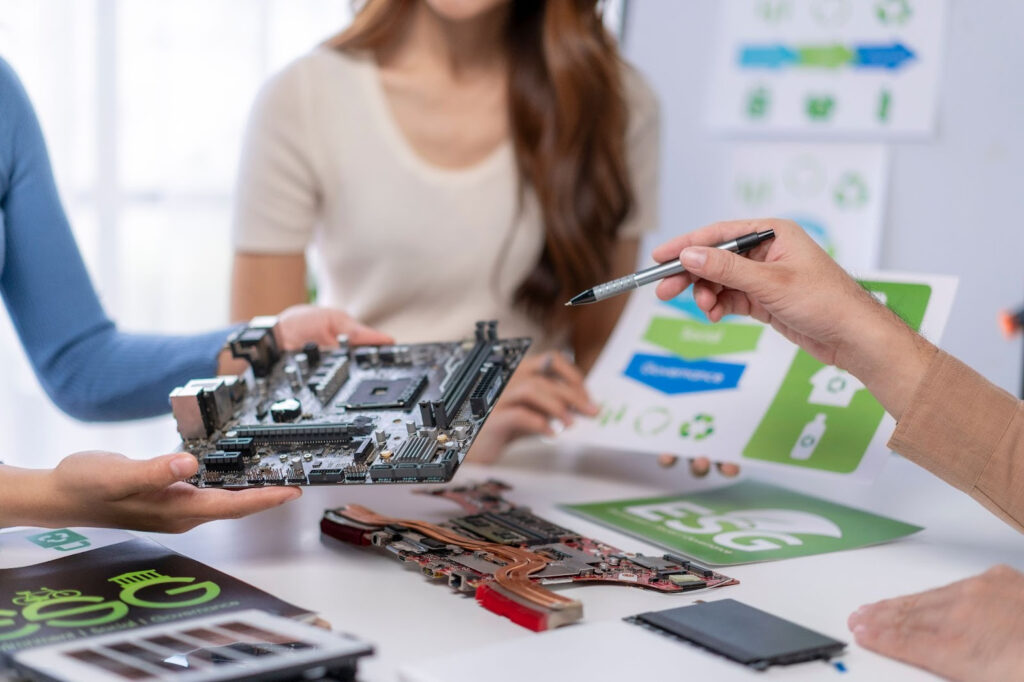
Managing e-waste doesn’t have to be overwhelming. With the right partner, you can protect your business, your team, and the environment.
📢 Take Action Today
• E-waste hoarding creates safety, compliance, and reputational risks.
• From fire hazards to data breaches, the consequences of inaction can be costly.
E-Waste FAQ
Q: What qualifies as e-waste?
A: E-waste includes any electronic device that’s no longer in use, such as laptops, servers, monitors, and batteries. Check out our full list of what we recycle here.
Q: Why can’t I just throw old electronics in the trash?
A: Many electronics contain hazardous materials like lead, mercury, and lithium-ion batteries, which can harm the environment if not disposed of properly. In fact, e-waste accounts for only 2% of waste in landfills, but constitutes 70% of the toxic waste that creates dead zones in land!
Q: How do I know my data is safe?
A: AIT’s NIST- and IEEE-certified data destruction services ensure that every device is irretrievably destroyed, with a certificate of destruction provided for your auditing records. Need additional security? Our on-site data destruction services may be a fit for you. Reach out to us now to choose data-safe electronics recycling today!